Porcelain stoneware · Sassuolo, Italy

Sassuolo porcelain tiles, chosen with the technical sheet in hand

Water absorption, slip rating, thickness, rectified edges and surface finish decide whether a porcelain tile is right for your floor. This guide explains them in plain English, with the catalogue of Italy's ceramic district one click away and delivery on pallets across Europe.

Absorption
E ≤ 0.5%
Group
BIa · EN 14411
Thickness
up to 20 mm
Sizes
up to 120×280
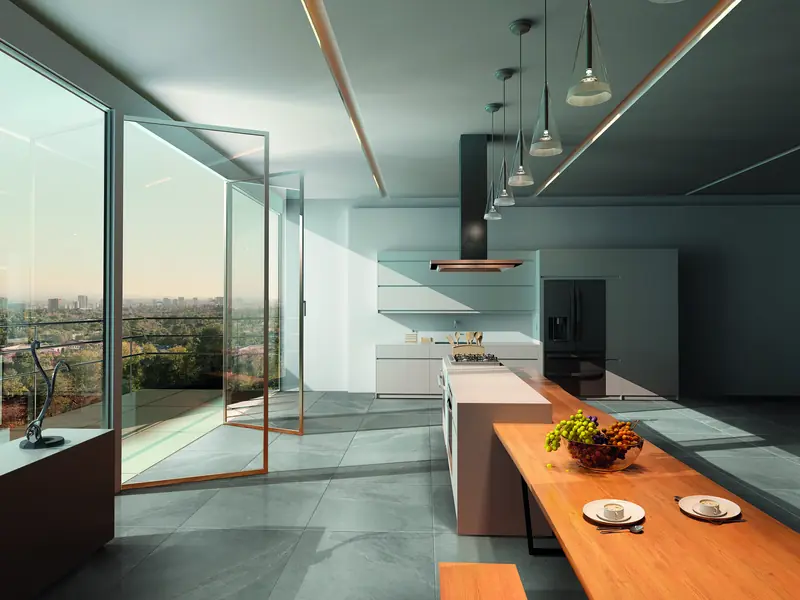
Open-plan kitchen with a grey stone-effect Sassuolo porcelain tile floor
Stone-effect porcelainMade in the Sassuolo district

01The material

What porcelain stoneware is, and why Sassuolo

Porcelain stoneware, often called gres porcellanato in Italy, is made from a blend of clays, feldspars and quartz sands. The mix is finely ground, pressed at very high pressure and fired at more than 1,200 °C. At that temperature the body vitrifies: the result is a dense tile with almost no porosity.

Under the European standard EN 14411, porcelain belongs to group BIa, the pressed tiles with water absorption of no more than 0.5%. Everything buyers value comes from that figure: frost resistance, stain resistance, strength under heavy foot traffic and easy cleaning with water and a neutral detergent.

If you have never heard of Sassuolo, think of it as the capital of Italian tiles. The district around Sassuolo, Fiorano Modenese, Maranello, Formigine, Castellarano, Casalgrande and Scandiano, between the provinces of Modena and Reggio Emilia in Emilia-Romagna, is home to most of Italy's tile manufacturers.

Many of the technologies used by the industry worldwide were developed here, from presses for large slabs to digital printing of surfaces. Buying porcelain "from Sassuolo" means choosing among first-quality collections, stock lots and discontinued ranges from the district's brands, with a short supply chain from factory to warehouse to site.

02Types

Glazed or through-body, rectified or not

Two choices you cannot see at a glance, yet they change how a floor ages and how it has to be laid.

Type A · surface

Glazed porcelain

A glaze is applied to the porcelain body and usually decorated with digital printing. This is the type that best reproduces marble, wood and natural stone, in a huge range of colours.

  • the most realistic veining and textures
  • for busy areas, check the abrasion class (PEI)
Type B · full body

Through-body porcelain

Colour and body are the same throughout the thickness, so a chip stays barely visible. It is the technical choice for shops, public buildings and high-traffic areas.

  • very high wear resistance
  • a more restrained look: plain colours, stone and concrete effects
Edge · rectified

Rectified porcelain

After firing, the edges are ground square by machine: every tile has the same size and a crisp edge. This allows narrow joints of about 2 mm and is essential for the seamless look of large formats.

Edge · natural

Non-rectified porcelain

The tile keeps the edge it has when it leaves the kiln, slightly rounded and with small variations in size. It needs wider joints, is more forgiving on uneven subfloors and suits rustic styles and terracotta effects.

03Thickness and sizes

From thin slabs to 20 mm outdoor pavers

Thickness depends on where and how the porcelain will be laid:

  • About 6 mm: thin, light slabs for wall cladding and for laying over an existing floor without raising levels too much. Ask a consultant which items are available in this thickness.
  • 9–10 mm: the standard for bonded floors in homes, shops and offices.
  • 20 mm: outdoor pavers, laid dry on gravel, grass or sand, on adjustable pedestals for raised floors, or bonded where heavy loads pass.

Large slabs (120×120, 120×270, 120×280) keep joints to a minimum and are also used for shower walls, kitchen worktops and countertops. They need very flat subfloors, suitable adhesives and experienced fitters with dedicated equipment.

Browse the large porcelain slabs, the 20 mm outdoor porcelain and the technical products for laying.

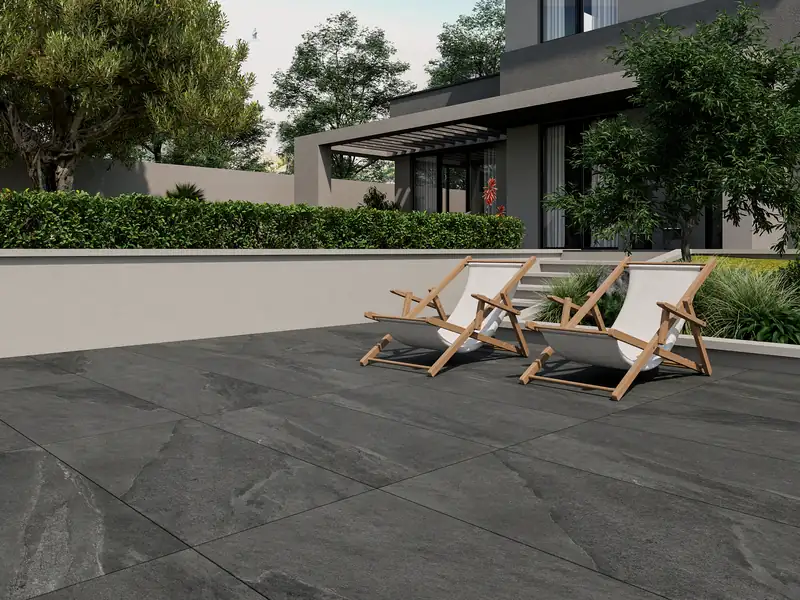
Outdoor terrace paved with 20 mm anthracite porcelain pavers
20 mm porcelain outdoors: frost resistant, slip resistant, suitable for dry laying.

04Safety

Slip ratings: which porcelain for which space

Slip resistance is measured with two German tests that have become a reference across Europe: DIN 51130 (with shoes, classes R9 to R13) and DIN 51097 (barefoot, classes A, B and C).

Table 1 · Shod classes (DIN 51130)
ClassGripTypical areas
R9normaldry living rooms, bedrooms, corridors and offices
R10mediumdomestic bathrooms and kitchens, entrances, garages, shops
R11highterraces, balconies, ramps, paths, commercial kitchens
R12very highindustrial and food areas with water or grease
R13maximumabattoirs and processing with heavy grease
Table 2 · Barefoot classes (DIN 51097)
ClassTypical areas
Achanging rooms and mostly dry barefoot areas
Bshowers, pool surrounds, wet areas of spas and gyms
Csubmerged steps, sloping edges, shallow pool floors

Some countries use other methods as well, such as the pendulum test common in the UK. The classes above are a guide: always check the product data sheet, your local building regulations and the specifications of your architect or designer.

05Surfaces

Finishes: matt, semi-polished, polished, textured

The same collection often comes in several finishes, each with its own light, grip and maintenance.

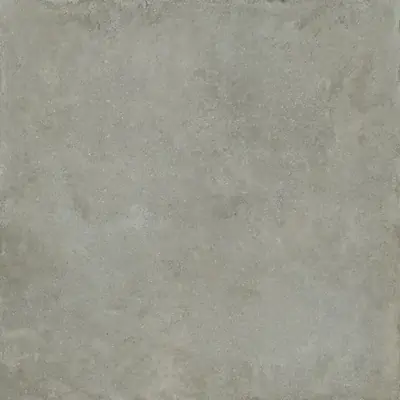
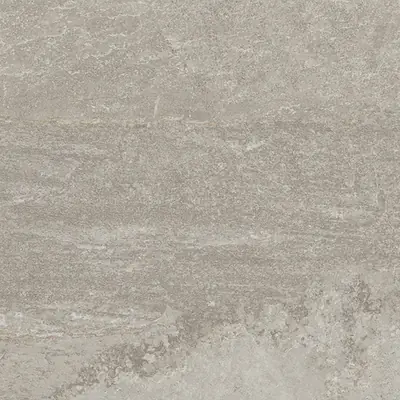
Grey porcelain tile surface in a natural matt finish
Matt

Natural

Matt and tactile. The most versatile finish: easy to clean and with good grip, it works everywhere in the home.

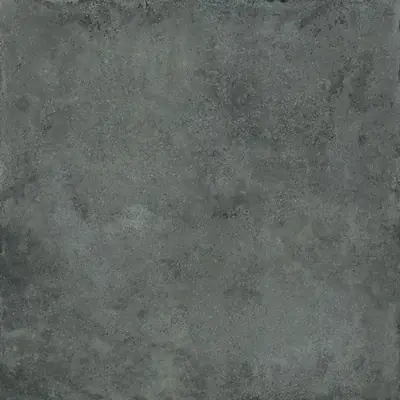
Graphite porcelain tile in a semi-polished (lappato) finish
Semi-gloss

Semi-polished

Known in Italy as lappato: partial polishing that alternates glossy and matt areas. It adds depth to stone and concrete looks in living areas and shops.

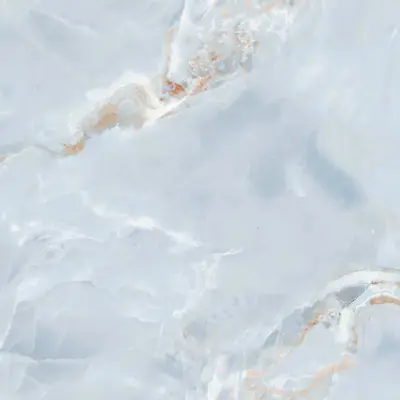
Polished grey onyx-effect porcelain tile
Gloss

Polished

Mirror-polished to bring out marble veining. Ideal in living rooms and offices, less suitable where the floor gets wet.

Textured slip-resistant grey stone-effect porcelain tile
Grip

Textured

A raised surface for maximum grip: the finish for outdoor areas, pool surrounds and ramps.

06Tool

Which porcelain for which room?

Pick a room: we suggest the slip rating, finish, thickness and sizes to start from, with links to the matching catalogue categories.

Room

Living room and day area

Slip rating
R9 is enough
Finish
matt, semi-polished or polished
Thickness
9–10 mm, bonded
Sizes
60×120, 120×120, large slabs

In the living area looks come first: large rectified formats with narrow joints make the space feel bigger and work well with underfloor heating.

07Performance

Frost, stains, wear: the tests that matter

The properties of porcelain tiles are measured with the international ISO 10545 series of tests, which manufacturers report in their technical data sheets. The most useful when choosing are:

TestWhat it tells you
ISO 10545-3Water absorption: ≤ 0.5% for porcelain
ISO 10545-12Frost resistance: essential outdoors
ISO 10545-14Stain resistance
ISO 10545-7Surface abrasion of glazed tiles (PEI classes)
ISO 10545-4Bending strength and breaking load
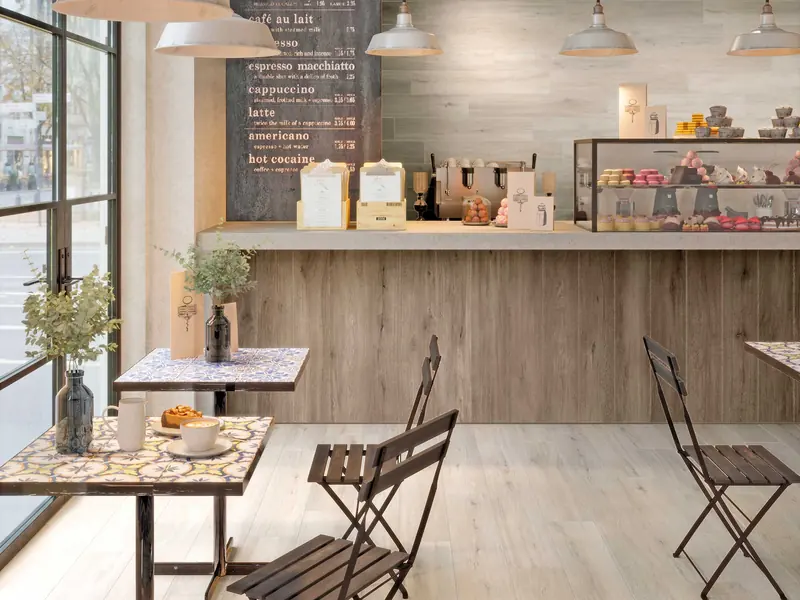
Open kitchen in a café with a light Italian porcelain stoneware floor
In kitchens stain resistance matters: porcelain does not absorb oil, wine or coffee.

08Buying from Italy

From the Sassuolo district to your site, anywhere in Europe

Tiles are heavy, bulky and fragile, so ordering from another country works best when it is planned with a person, not just a basket.

Step 1 · advice

Remote advice in English

Send your plans, quantities or the products you like by email, or call the team. A consultant checks the technical data with you, confirms availability and makes sure the tile suits its use.

Step 2 · quotation

One quotation, transport included

You receive a quotation for the materials and the delivery to your address. Transport depends on the destination country and on the weight of the order, so it is always calculated case by case.

Step 3 · shipping

Palletised, insured delivery

Orders travel on pallets with Palletways, a network specialised in express palletised freight, to 24 European countries. Other destinations can be assessed on request. Lead times vary by country and are confirmed when you order.

Step 4 · receipt

Unloading and checks

Tell your consultant about access to the site so unloading can be planned. On delivery, check the number of packages and the condition of the wrapping, and note any damage on the delivery note before signing.

Prefer to come and see the district? Orders can also be collected from the warehouse near Sassuolo: you are told the weight and size of the goods beforehand. Full details on the shipping page and in the terms and conditions of sale.

09Supplier

Sassuolo porcelain, straight from the district

This guide is published by Ceramiche Sassuolo, an online supplier based in the heart of the ceramic district. Since 2010 it has supplied porcelain floor and wall tiles, made in Italy and imported, both first-quality collections and stock lots.

Beyond tiles you will find wallpapers and tile adhesives for porcelain and large formats, so a whole project can travel in one shipment.

Looking for a bargain? Have a look at the special offers, where discounted ranges from the catalogue are collected.

  • Online since2010
  • Based inCastellarano, Italy
  • DeliveryItaly and 24 EU countries
  • Transportpalletised, Palletways
  • Lead timeconfirmed per country
  • Servicesadvice, warehouse collection

About Ceramiche Sassuolo

10FAQ

Porcelain tiles from Italy: frequently asked questions

What is the difference between porcelain stoneware and ordinary ceramic tiles?

Porcelain stoneware is fired at higher temperatures and becomes dense, with water absorption of 0.5% or less (group BIa of EN 14411). Single-fired and double-fired ceramic tiles are more porous: they work on walls and in low-traffic rooms, but they are not suitable outdoors.

Can porcelain tiles be used outdoors in cold climates?

Yes. Because it absorbs almost no water, porcelain stoneware is frost resistant. Outdoors, choose a slip-resistant surface (at least R11) and either 9–10 mm tiles bonded to a screed or 20 mm pavers for dry laying and raised floors.

Do you deliver porcelain tiles outside Italy?

Yes. Ceramiche Sassuolo ships palletised orders with Palletways to 24 European countries, and other destinations can be assessed on request. Delivery times depend on the country and on the quantity, and are confirmed in your quotation.

Can I get advice in English before ordering?

Yes. You can write in English by email or call the team: a consultant checks technical data, availability and quantities with you and prepares a quotation including transport.

Can rectified porcelain tiles be laid with no grout joint?

No. Good laying practice advises against zero joints, because the joint absorbs the movements of the floor. Rectified tiles are usually laid with joints of about 2 mm; non-rectified tiles need wider joints.

Are polished porcelain tiles slippery?

Polished and semi-polished surfaces have less grip when wet. They are perfect in living rooms, bedrooms and offices; for bathrooms, entrances and outdoor areas choose a natural or textured finish with a suitable slip rating.

Can I collect my order from the warehouse in Italy?

Yes. Orders can be collected from the warehouse in the Sassuolo district. Before collection you are told the weight and size of the goods, so you can arrange a suitable vehicle.

More answers in the Ceramiche Sassuolo FAQ.

Found your porcelain? Ask for a quotation delivered to your door